
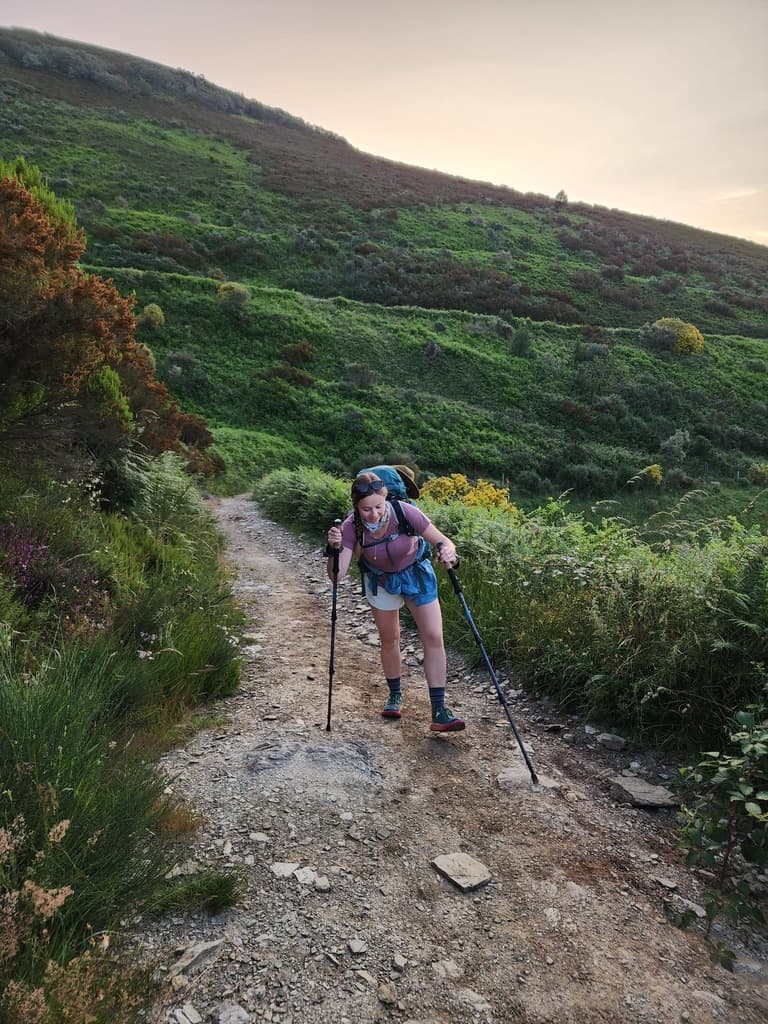
Camino Training: How to Prepare for the Camino Without Burning Out


One of the biggest fears people have before the Camino is, What if I'm not fit enough?
That fear is valid. I've been there myself.
Before my first Camino, I assumed my marathon training and casual hiking experience would be enough preparation. But just a few days in, I found myself wondering if I’d even be able to finish.
The Camino has a way of humbling you. It’s not just the distance, it’s the waking up and doing it all over again the next day (and the next).
The good news? You don’t need to spend hours training every day or become some ultra-fit hiker before you go. Even a little intentional preparation can make a huge difference.
For my second and third Caminos, I trained much more consistently in the months beforehand by walking and hiking regularly. The difference was huge. Instead of constantly worrying about sore feet, aching muscles, and exhaustion, I was able to enjoy the experience so much more.
In this guide, I’ll share realistic Camino training tips that fit into a busy schedule, common mistakes to avoid, a simple training framework to get started, and extra support if you want more personalized help preparing for your Camino.

Do You Really Need to Train for the Camino?
I always say that nothing truly prepares you for the Camino quite like the Camino itself. After all, most of us don’t have the time (or honestly, the motivation) to spend 4–6 hours walking every day before we leave.
But that doesn’t mean you should skip training altogether.
Many pilgrims do very little prep and still finish successfully. Others struggle just a few days in with sore feet, aching knees, exhaustion, or injuries that make every step harder than it needs to be.
The reality? How much training you need depends on your starting point, route, fitness level, and when you plan to walk your Camino.
And remember: there’s a big difference between simply finishing the Camino and actually enjoying it.
Who Can Get Away With Minimal Training?
Not everyone needs an intense Camino training plan. If you’re already relatively active, regularly walk around 10,000+ steps a day, hike often, or spend a lot of time on your feet, you may not need a ton of additional preparation.
That said, I’d still encourage you to build in some intentional Camino-specific training beforehand. At minimum, try to:
- Take a few longer walks to see how your body responds after several hours on your feet
- Practice walking on consecutive days
- Gradually get used to carrying the backpack you plan to bring
Even fit people can be surprised by how different walking long distances day after day feels.
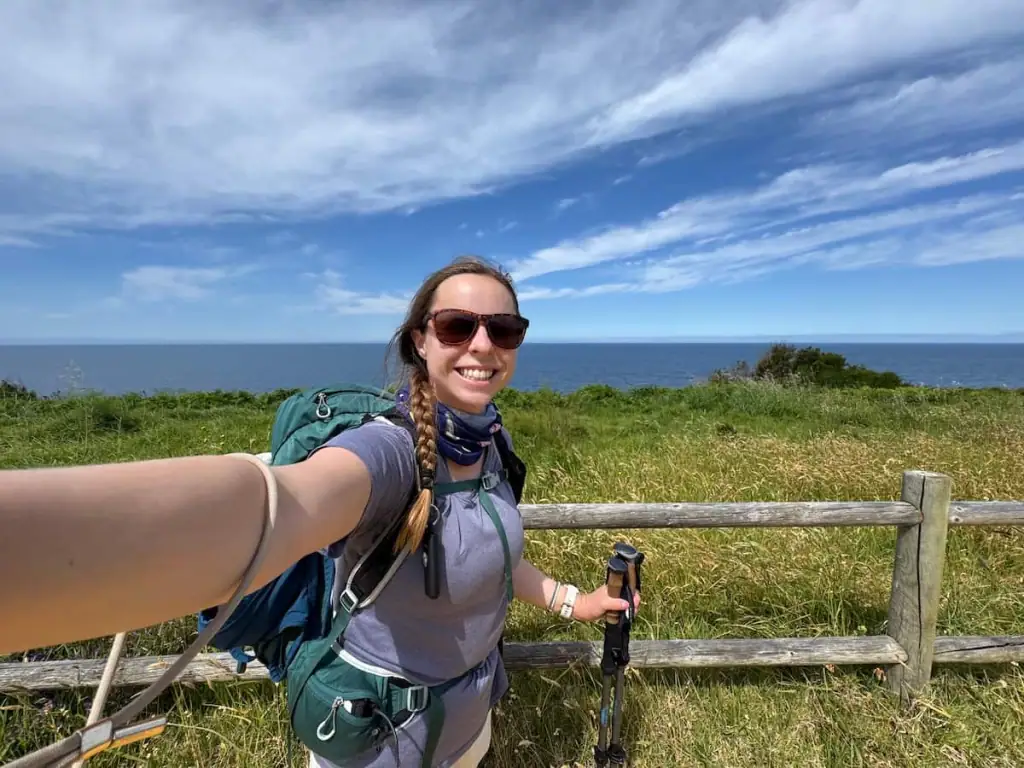
Who Should Absolutely Train?
If any of these sound like you, I’d strongly recommend setting aside intentional time to train before your Camino:
- You’re feeling nervous about whether you’re fit enough
- You have a sedentary job or don’t walk much day to day
- You’re more prone to injury or have recurring aches and pains
- You’re planning a more physically demanding route like the Camino Primitivo or Camino del Norte
- You’ve never hiked or walked long distances with a backpack
- You’re short on time and want to feel confident rather than stressed when you arrive
And just to be clear: needing to train doesn’t mean you’re “bad at hiking” or not capable of doing the Camino. It simply means your body will benefit from a little preparation.

What Happens if You Don't Train?
Skipping training doesn’t automatically mean you won’t finish the Camino. Plenty of people show up in Spain and figure it out as they go.
But it does increase the chances that your Camino becomes more physically difficult than it needs to be.
Without training, you may be more likely to deal with overuse injuries like shin splints, tendonitis, knee pain, or foot issues. And if you haven’t spent much time breaking in your shoes or testing your gear, blisters can quickly become a problem too.
In the best-case scenario, you might simply feel more tired and sore than expected. In the worst-case scenario, pain or exhaustion can cut your Camino short.
The thing most people underestimate is this: The Camino isn’t hard because of one long walk. It’s hard because you wake up and do it again the next day… and the next… and the next.
That was something I personally underestimated on my first Camino. I’d done marathon training and plenty of long hikes, so I assumed I’d be fine. But I wasn’t prepared for the mental and physical challenge of walking long distances every single day for weeks.
That experience completely changed how I approached training for future Caminos.
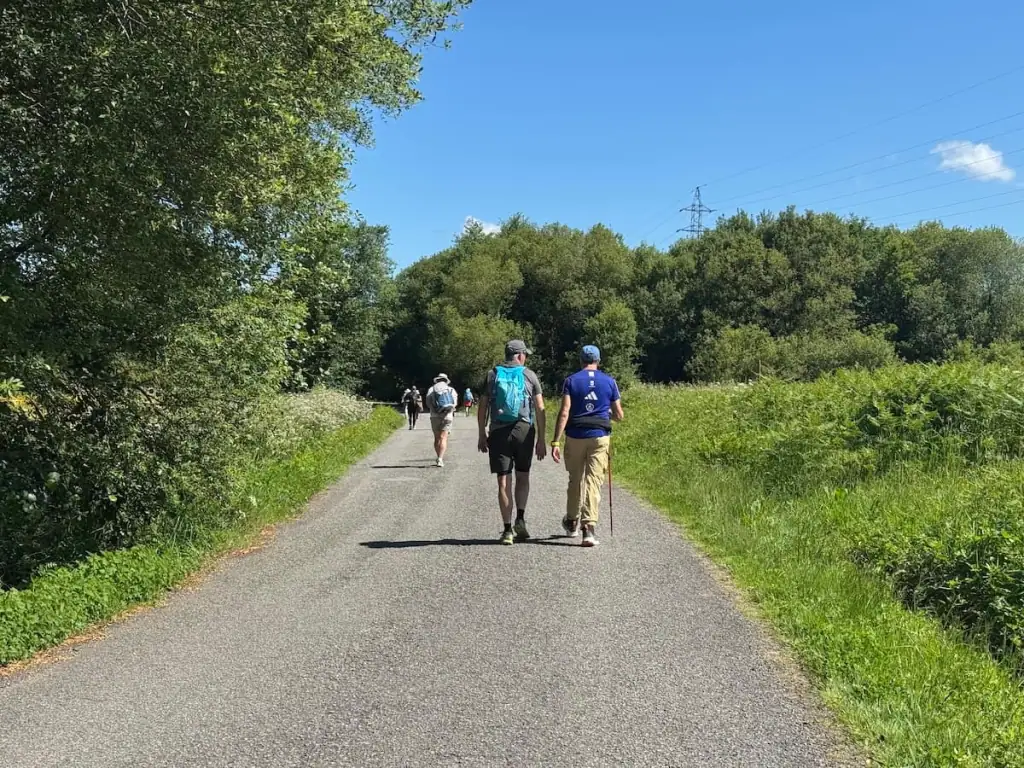
Common Camino Training Mistakes
Before we get into how to train for the Camino, let’s talk about what NOT to do.
The thing is most Camino training mistakes come from good intentions. People either underestimate how physically repetitive the Camino is or overdo it trying to prepare.
Here are some of the biggest mistakes I see pilgrims make before their Camino.
Only Training on Weekends
I get it. Fitting training into an already busy life can feel nearly impossible.
Between work, cooking dinner, family responsibilities, and maybe even a needy dog staring at you until you take them outside, it’s easy for Camino training to fall to the bottom of the priority list.
But one of the hardest parts of the Camino is the consistency of walking day after day. If you only train on the weekends, your body misses out on adapting to that rhythm.
Don’t worry if you can only squeeze in short sessions during the week, though. Even 30 minutes of intentional walking a few days a week can make a huge difference over time.
Waiting Until the Last Minute to Start Training
This is one of the most common mistakes and one I made myself before my first Camino.
The challenge with waiting too long is that your body often needs time to slowly adapt. You can't build that endurance overnight–it takes time.
The earlier you start, the more confident and physically prepared you’ll likely feel when you arrive.

Never Training With Your Backpack
Walking with a backpack is surprisingly different from walking without one. Even carrying a few extra pounds (or kilos) can change your posture, affect your energy levels, and put extra strain on your shoulders, hips, feet, and knees.
For me, this was one of the hardest parts of my first Camino. I had barely trained with my pack, and it felt SO heavy and exhausting to carry.
Even if you only train with your pack occasionally at first, getting your body used to carrying it beforehand can make a huge difference.
Training Too Hard and Getting Injured
More training is not always better. One of the biggest mistakes I see people make is panicking a few months before departure and suddenly throwing themselves into huge hikes every weekend.
The problem? That’s often when injuries happen.
The goal of Camino training isn’t to exhaust yourself before you even leave. It’s to gradually build strength and endurance while giving your body enough recovery time along the way.
Assuming “I Walk a Lot” Means You're Ready
This might be one of the biggest Camino myths. Walking 8,000+ steps a day at home is great, but it’s not quite the same as walking 12+ miles (19+ km) day after day, often carrying a backpack and dealing with hills, heat, or sore feet.
That doesn’t mean your daily walking doesn’t help, it absolutely does. But many people underestimate just how different prolonged walking feels when you repeat it every day for weeks.
That was definitely something I underestimated on my first Camino.
What I Wish More Pilgrims Knew Before Training
Here are a few things I really wish someone had told me before my first Camino:
You don't need to train perfectly.
Some training is always better than none, and consistency matters far more than perfection. Even short walks throughout the week can add up.
Your gear can matter more than fitness.
Honestly? The wrong shoes almost made me quit my first Camino. Even if you’re fit, the wrong shoes, socks, and backpack can make the experience way harder than it needs to be.
Don't skip strength and recovery.
Walking is the fun part, I know. But strength work, stretching, sleep, and rest days matter more than most pilgrims realize, especially if you want to reduce injury risk and feel stronger day after day.
The Camino will still surprise you.
No matter how much training you do, the Camino will probably still humble you a bit. But good preparation can make those hard moments feel much more manageable.
Training helps you enjoy the Camino more.
For me, training was never really about just finishing the Camino. It was about having enough energy and confidence to actually enjoy the daily experience instead of simply pushing through it.

How to Train for the Camino de Santiago (Step-by-Step)
The good news is that training for the Camino doesn't have to be complicated.
You don't need to spend every weekend hiking mountains or suddenly transform into an elite athlete. Most pilgrims aren't doing that. In fact, many are balancing training with full-time jobs, families, and all the other responsibilities that come with daily life.
The goal isn’t to train perfectly. It’s simply to arrive at your Camino feeling as prepared and confident as possible.
Here's how I'd recommend approaching your training.
Consult With Your Doctor
Before starting any new exercise routine, it can be a good idea to check in with your doctor, especially if you have any existing health concerns, injuries, or conditions that could impact your training.
This doesn't need to be anything elaborate. It's simply about making sure you're starting from a place where you can set yourself up for success and address any potential issues before they become bigger problems.

Start Walking Earlier Than You Think
One of the biggest mistakes I see people make is waiting until the last minute to start training. The earlier you can start, the more time your body has to gradually adapt without feeling rushed.
If you're several months out from your Camino, that's fantastic. If you're only a month or two away, don't panic. Some preparation is still better than none.
Focus on Consecutive Walking Days
Since one of the hardest parts of the Camino isn’t just one long walking day but waking up and doing it all over again tomorrow, you’ll want to replicate that a bit in training.
That's why I encourage pilgrims to think beyond just one long weekend hike. If possible, try incorporating multiple back-to-back walking days throughout your week.
Even something as simple as a few shorter walks during the week followed by a longer walk on the weekend can help your body start adapting to the rhythm you'll experience on the Camino.
Slowly Increase Distance
One of the easiest ways to end up injured is trying to do too much too quickly.
Instead of jumping straight into 10- or 12-mile (16 or 19 km) walks, start small and gradually increase your distance over time.
As you bump up your distance, pay attention to how your body responds. You should feel challenged, but not destroyed.
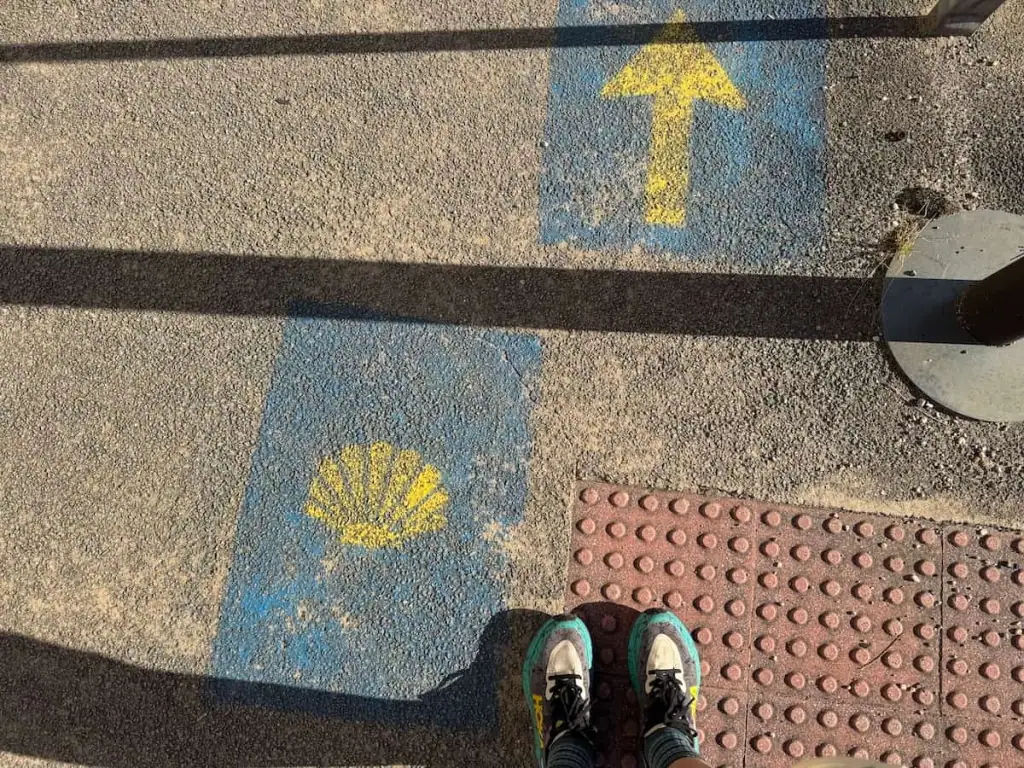
Train With the Shoes You'll Actually Wear
I won't sugarcoat it. The wrong shoes nearly ruined my first Camino.
I started the Camino in hiking boots that I thought would work well for me. A few days later, my feet were in rough shape, and I eventually ended up replacing them with a pair of trail running shoes. Learn from my mistake.
Whatever shoes you plan to wear on the Camino, spend plenty of time walking in them beforehand. Make sure they fit properly and still feel good after several hours on your feet.
Note: If you do extensive training in your shoes before your Camino, you may want to buy a second pair before leaving for the Camino so you can ensure your shoes have enough life left in them.
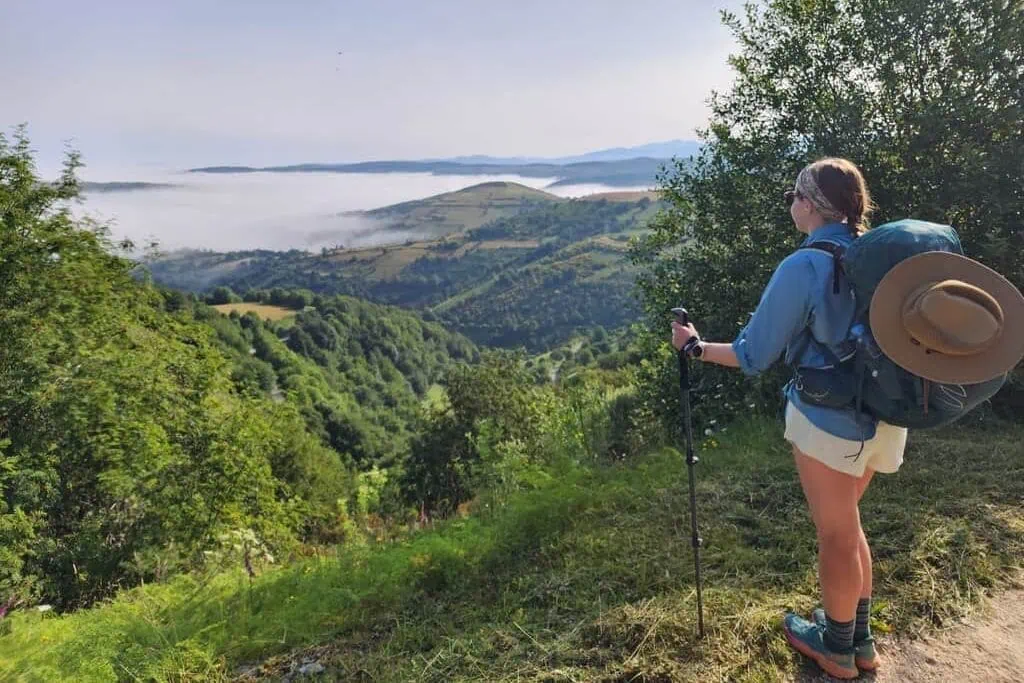
Add Your Backpack Gradually
As your training progresses, start incorporating the backpack you plan to bring on the Camino. You don't need to load it with all of your gear immediately. Start light and gradually increase the weight over time.
This gives you the opportunity to adjust your pack fit, identify any problem areas, and get your body accustomed to carrying extra weight before you arrive in Spain or Portugal.
Incorporate Strength and Stretching Exercises
I know most people would rather spend their training time walking than doing squats. Trust me, I get it. I'm notoriously bad at keeping up with strength training, and I’ve definitely suffered the consequences before.
Strength and stretching exercises can make a huge difference when it comes to preventing injuries and helping your body hold up better during weeks of repetitive movement.
You don't need a complicated gym routine.
Simple exercises that strengthen your legs, glutes, core, and balance can go a long way. Pair that with some regular stretching or mobility work, and you'll likely feel the benefits both during training and on the Camino itself.
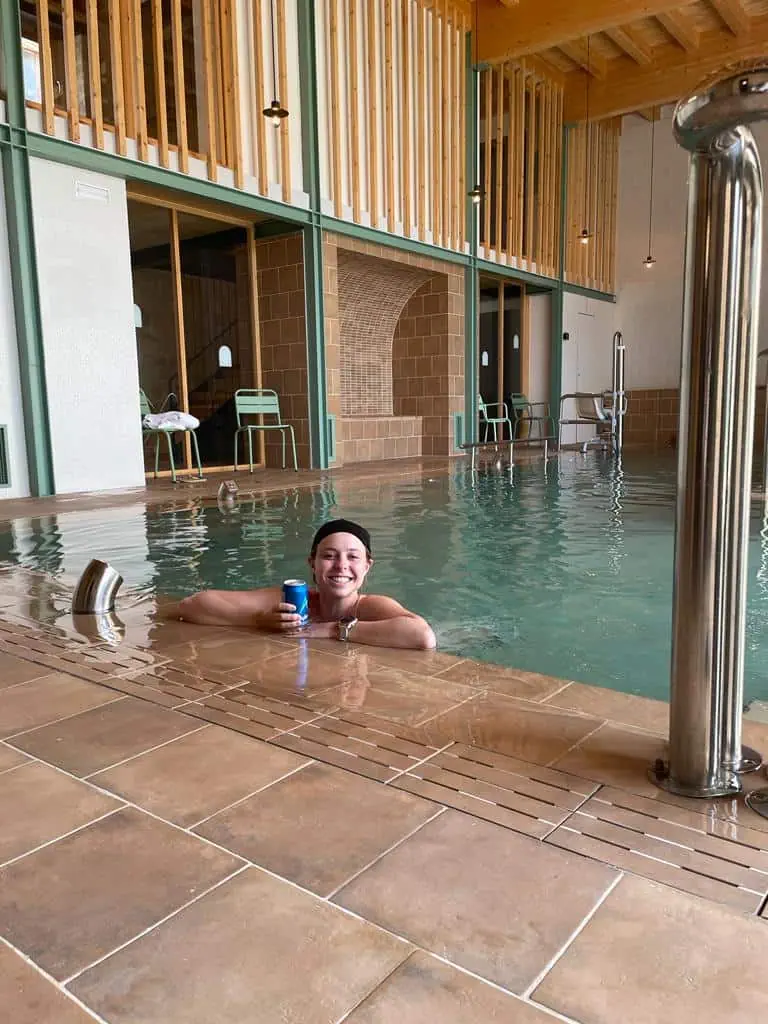
Listen to Your Body and Care for It
Training isn't just about the walks themselves. Recovery matters too.
Make sure you're getting enough sleep, fuel your body with nutritious foods, stay hydrated, and don't skip your rest days because you feel guilty. Rest days are part of training too.
One thing the Camino taught me is that our bodies are usually pretty good at telling us when something isn't right. If you're dealing with persistent pain, excessive fatigue, or signs of injury, listen to those signals.
Don't Forget to Train for the Mental Side of the Camino Too
Most people focus entirely on the physical side of Camino training. What I didn't fully appreciate before my first Camino was the mental side of the experience.
Some days you'll feel amazing. Other days you'll be tired, uncomfortable, homesick, frustrated, or questioning why you thought it would be fun to walk across an entire country.
To me, part of training is also building confidence in your ability to handle those moments. It's in remembering why you decided to walk in the first place so you can push through those challenges.
Every training walk is proof that you can keep going when things get a little uncomfortable. And that confidence becomes really valuable once you're out on the trail.
A Realistic Sample Week of Camino Training
Here's an example of what a realistic week of Camino training might look like:
- Sunday: Short walk
- Monday: Rest day
- Tuesday: Moderate walk with strength training
- Wednesday: Short walk
- Thursday: Moderate walk with your pack
- Friday: Rest day
- Saturday: Long walk
Keep in mind though that this is just one example to help you think about balance and consistency. It's not a rigid plan you have to follow perfectly.
Hopefully this just gives you a realistic starting point for thinking about how to structure your own Camino training. There's really no one-size-fits-all training plan because it depends on your current fitness level, timeline, and more.

Want More Personalized Camino Training Help?
Feeling overwhelmed about how to train or wondering if you’re doing enough? If you want more personalized guidance based on your fitness level, Camino plans, and timeline, I created my Camino training system to help you feel more prepared and confident before you go.
➡️ Explore the Camino Training System Here

Frequently Asked Questions
Here are some answers to frequently asked questions about Camino de Santiago training.
How long does it take to train for the Camino?
How long it takes to train for the Camino depends on your current fitness level, Camino route, and timeline. Ideally, I recommend spending at least three months training for the Camino if you can, though more time is always helpful. If you have less time though, don't stress–some Camino training is always better than none.
Do you have to be fit to walk the Camino?
No, you don't have to be extremely fit to walk the Camino. People of all ages and fitness levels successfully complete the Camino every year. Generally, you should be comfortable walking around 8 miles (13 km) per day for multiple days in a row, though you can also use luggage transfer services if carrying a backpack feels like too much.
How many kilometers a day do you walk on the Camino?
How many kilometers you walk per day on the Camino depends on the route and your walking pace. Most pilgrims walk somewhere between 8-15 miles (13-25 km) per day, though some walk more or less. At a minimum, you'll want to be able to walk around 8 miles (13 km) per day before starting your Camino.
What is the hardest part of the Camino?
For many people, the hardest part of the Camino is the day-after-day physical and mental challenge of walking. It's not usually one long walking day that feels hardest, but rather waking up and doing it all over again each morning while dealing with sore muscles, tired feet, or mental fatigue.
Can a beginner walk the Camino?
Yes, beginners can absolutely walk the Camino. You don't need hiking experience or elite fitness to do it. However, some Camino training beforehand can help you feel more confident, reduce injury risk, and make the experience much more enjoyable.

Ready to Feel More Prepared for Your Camino?
If you're still wondering whether you're training enough, feeling overwhelmed by where to start, or simply want a more structured plan to follow, you're definitely not alone.
Honestly, one of the things I wish I'd had before my first Camino was a clear, realistic training plan tailored to my timeline and fitness level.
That's exactly why I created the Your Camino Starts Now Training System.
Inside the training system, you'll get a more detailed Camino training guide, realistic training plans based on your fitness level and timeline, strength and stretching support, and practical guidance to help you feel more prepared and confident before you leave.
Because while you can't fully prepare for the Camino (trust me, it'll probably still surprise you a bit), you can give yourself a much stronger foundation before you go.
Preparing for the Camino can feel overwhelming at first, but remember: you don’t need to train perfectly to have an amazing experience. Even small, consistent steps now can make a huge difference once you’re out on the trail.
➡️ Explore the Camino Training System Here
